Self Storage in Allerthorpe: Doing It Right
Find Out More →Getting real value from self storage in Allerthorpe comes down to more than just picking a provider and moving your stuff in. The difference between a storage unit that works for you and one that becomes a headache is preparation — knowing what you're storing, how you'll access it, and whether the facility actually suits what you need. Most people figure this out too late, after they've already signed up.
Here's what actually matters when you're setting up self storage locally.
What should I prepare before I book?
Start by being honest about what you're storing and why. Take a proper inventory — not just a mental note, but actually list or photograph the items going in. Note their size, weight, and whether they're fragile or need climate control. This isn't busy-work; it directly affects which unit size you'll need and what protection matters.
Next, think about access. Do you need to get items out weekly, or is this for the long term? Will you need help moving things in and out? These answers shape whether you want a ground-floor unit or if you're okay with upstairs access. Given Allerthorpe's low-lying geography and occasional heavy rainfall, it's also worth considering whether ground-level storage might expose your items to surface water during storms — something worth discussing when you contact a provider.
Sort your items by category before moving day. Boxes of kitchen stuff together, seasonal items grouped, important documents clearly marked. This sounds obvious, but when you're retrieving something six months later, you'll be grateful you did this. Keep a copy of your inventory at home; don't rely on memory or loose notes.
What questions should I actually ask?
Before you commit to a unit, ask about humidity and temperature control. Not everything needs climate control, but items like electronics, photographs, or anything with wood or fabric often benefit from it. Check whether the facility offers this and what the extra cost is.
Ask about access times and restrictions. Can you visit your unit on a Sunday afternoon, or are there limited hours? What happens if you need emergency access at short notice? These details matter more when you're actually using the space.
Find out about insurance and liability. What's covered by the facility, and what do you need to arrange yourself? As we covered in our guide on getting the best value, understanding what's actually protected saves stress later.
Ask about security too — cameras, gates, alarm systems, on-site staff. It's not about paranoia; it's about knowing your belongings are in a properly managed space.
How do I pack and organise to make it work?
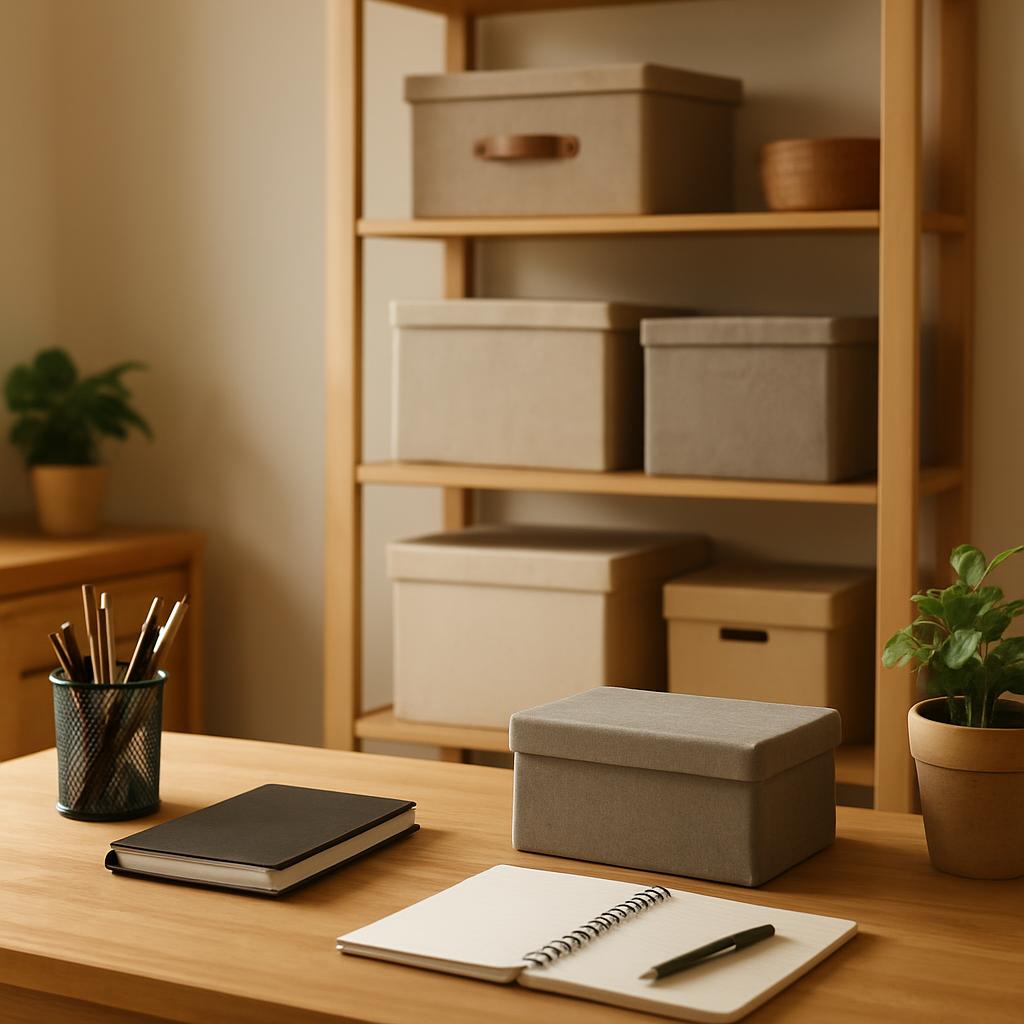
Boxing everything is fine, but label clearly on multiple sides so you can read labels from different angles. Group related items; don't scatter kitchen stuff across five random boxes. Use uniform box sizes where you can — they stack better and you'll fit more efficiently in your unit.
Leave a narrow access path through the middle of your unit, even if you're packing it fairly full. You don't want to be moving boxes every time you need to reach something at the back. Position heavier items at the bottom and lighter things on top. Use the vertical space, especially if you have a tall unit.
Our guide on the setup that works goes into more detail on layouts, but the core principle is simple: store things in a way that makes sense to you and your future self.
Take photos of your unit once it's set up. Sounds fussy, but if you ever need to file a claim or check on something remotely, photos are invaluable. Store these somewhere safe — your phone or email, not just loose on a shelf.
What ongoing habits actually pay off?
Visit your unit occasionally, even if you're not retrieving anything. A quick look keeps you connected to what's stored and lets you spot any issues — moisture, pests, or items shifting — before they become problems. This is especially practical in Allerthorpe where weather can change quickly.
Keep your inventory list updated if you add or remove items. It sounds tedious, but it means you're never confused about what's actually in there when you need something months later. As we've discussed before, organisation early on saves time and frustration down the line.
Pay attention to seasonal changes. If you're storing anything moisture-sensitive, winter and spring might mean checking in more often. A desiccant packet in a box of photographs or documents costs very little and works.
Be realistic about timing too. If you said you'd only need storage for three months, but six months have passed, make a decision: either set a new date to clear it out, or accept that you need it longer and budget accordingly. Drift storage becomes expensive storage.
Getting the best results from self storage in Allerthorpe is really about setting yourself up properly at the start and maintaining that system as you go. It's not complicated, but it does require thinking through what you actually need before you sign the paperwork.
When you're ready to get started, Self Storage Allerthorpe can help you find a unit that fits your needs. Get in touch to discuss your requirements — knowing what works best for your situation makes all the difference.
Looking for self storage near Allerthorpe?
We have secure, flexible units available in the area. Get in touch with Self Storage Allerthorpe today.
Find Out More →